Your cart is currently empty!
Types of Hash Explained: Red Lebanese, Moroccan & Full Melt Types of Hash
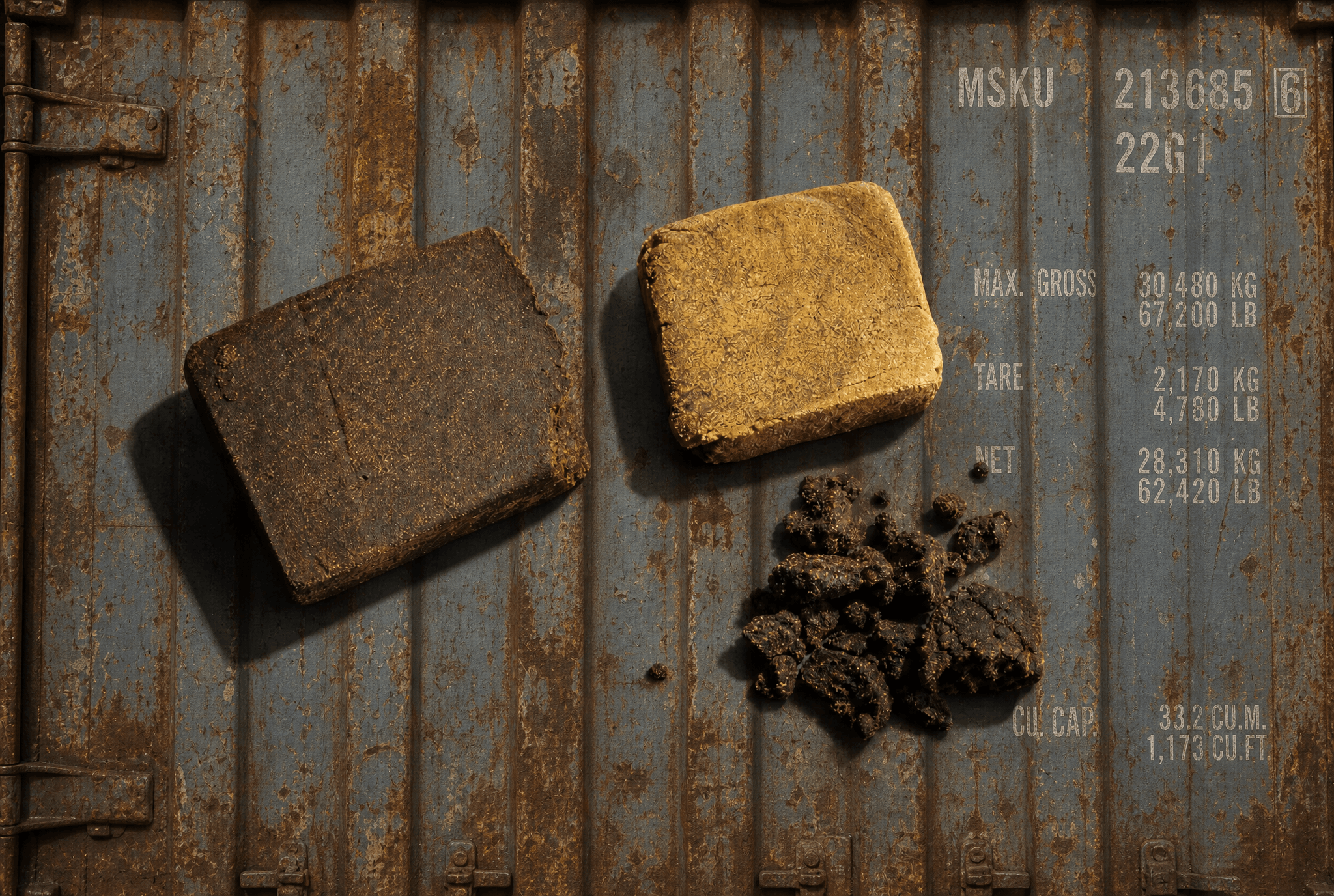
Hash has been around for centuries — long before shatter, distillate, or vape pens existed. But for newcomers, the names can be baffling. Red Lebanese, Moroccan, full melt, bubble, charas: what do they all actually mean, and how is one different from the next?
The good news is that hash is far less complicated than the menu makes it look. Once you understand how it’s made and what to look for, picking the right type becomes easy. Whether you want something mellow and traditional or a top-shelf piece that melts clean, there’s a hash for you.
This beginner’s guide breaks it all down in plain English: what hash is, how it’s made, the differences between the most popular types, how to tell good pot hash from bad, and how to smoke it. By the end, you’ll be able to read a hash menu like a pro.
What Is Hash?
Hash, short for hashish, is one of the oldest cannabis concentrates in the world. It’s made by collecting and compressing the resin glands of the cannabis plant — the tiny, crystal-like structures called trichomes that hold most of the plant’s THC, terpenes, and aroma.
Because hash concentrates those trichomes, it’s noticeably stronger than dried flower. Where flower usually sits around 15–25% THC, Weedmaps notes that hash potency typically lands somewhere in the 40–60% range, though premium pieces can climb higher. That said, traditional pot hash often delivers a rounder, more relaxing high than sharp modern extracts like shatter — part of why it has stayed popular for so long.
What makes hash special is variety. Depending on where it’s from and how it’s made, it can be soft and pliable or dry and crumbly, and range in colour from blonde to brick-red to near-black. Those differences aren’t random — they come straight from the production method.
How Is Hash Made?
Almost every type of hash starts the same way: separating trichomes from the plant. How that separation happens is what sets each style apart. There are three traditional methods worth knowing.
Dry Sift
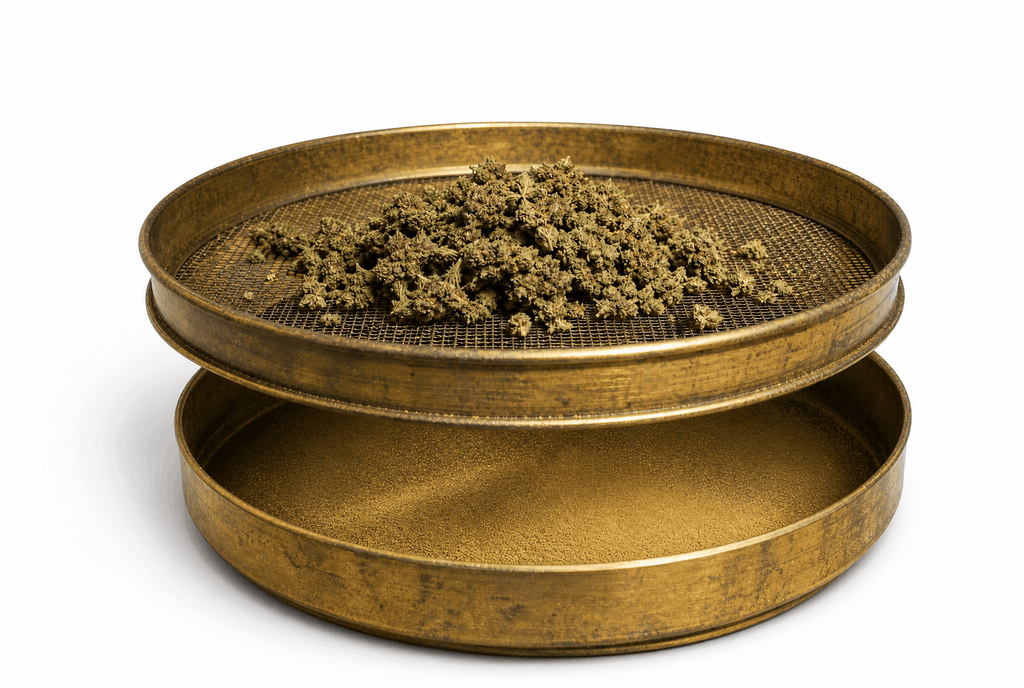
Dry sifting is the classic method behind most imported hash. Dried cannabis is gently rubbed over fine mesh screens, which knock the trichomes loose as a powder called kief. As Sensi Seeds explains, that kief is then refined through progressively finer screens and pressed with gentle heat into slabs or bricks. Moroccan and Lebanese hash are both made this way.
Hand-Rubbed (Charas)
Charas is the oldest method of all — and the one exception to the “dried plant” rule. Instead of harvesting and drying first, makers rub live, resin-heavy flowers between their hands until a sticky, dark resin builds up, which is then rolled into balls or sticks. It’s labour-intensive and produces a soft, aromatic hash traditionally associated with India and Nepal.
Ice-Water (Bubble) Hash
The most modern traditional method uses ice and water instead of screens. Fresh or frozen cannabis is agitated in ice water, which makes the brittle trichomes snap off and sink. They’re then caught in a series of fine mesh “bubble bags.” The result, as Cannabis Equipment News describes, is a clean, solventless concentrate often graded by how well it melts — which brings us to full melt.
The Main Types of Hash Explained
Now for the part you came for. Here’s how the three most popular types on the menu actually differ.
Red Lebanese Hash
Red Lebanese is a dry-sift hash made the traditional Lebanese way: cannabis is harvested, dried, sieved into kief, and aged before pressing. That aging is what gives it its signature reddish-brown colour and a smooth, slightly spicy character.
Made from more mature plants, red lebanese hash tends toward a relaxing, body-leaning effect — a favourite among people who want something classic and unhurried. It’s typically firm but breaks apart easily when warmed, and its mellow, earthy flavour makes it an easy entry point for anyone new to traditional hash. If you’ve only ever tried modern concentrates, lebanese hash is a great first step backward in time.
Moroccan Hash
Moroccan hash is the blonde counterpart to Lebanese. Also dry-sifted, it’s prized for its golden colour, gentle aroma, and approachable, easygoing high. Because it’s often made with slightly less aging and refinement, moroccan hash leans lighter and more aromatic than the deeper red varieties.
Its texture can range from pliable to drier and sandier depending on the batch. For beginners, Moroccan is one of the friendliest places to start — the effects are forgiving, the flavour is soft, and it crumbles nicely into a joint or bowl.
Full Melt (Bubble) Hash
Full melt is the top of the hash food chain, and it’s a measure of quality rather than a region. The term refers to ice-water (bubble) hash so pure that it melts completely and cleanly when heated, leaving little to no residue behind. That clean melt is only possible when the hash is made almost entirely of intact trichome heads.
Because it’s so refined, full melt hash is potent and flavourful, and it’s the one type on this list you can dab like a modern extract. It’s solventless, too, which appeals to purists. If Moroccan is the easy entry point, full melt is the connoisseur’s reward.
What Is Hash Rosin? (And Where to Buy Bulk Rosin in Canada)
If full melt is the peak of traditional hash, hash rosin is where hash meets the modern era. Hash rosin is made by taking high-quality bubble hash or full melt and pressing it between heated plates under pressure. That gentle heat-and-pressure squeeze coaxes the resin out into a glossy, sauce-like concentrate — no solvents, no chemicals, just hash and a press.
Because it starts from clean, trichome-rich hash, hash rosin is prized as one of the purest, most flavourful concentrates you can buy. It keeps the full terpene profile of the plant, which is why solventless fans rank it above solvent-based extracts like shatter or distillate. There’s also live hash rosin, made from fresh-frozen flower washed into bubble hash and then pressed, for an even more aromatic result.
For regular users and connoisseurs, buying in volume is where the value is. Pot Cargo stocks bulk hash rosin and bulk rosin in Canada, so you can stock up on premium solventless concentrate at a better per-gram price. If you love how clean full melt hash smokes, bulk hash rosin canada is the natural next step up.
How to Tell Good Hash from Bad
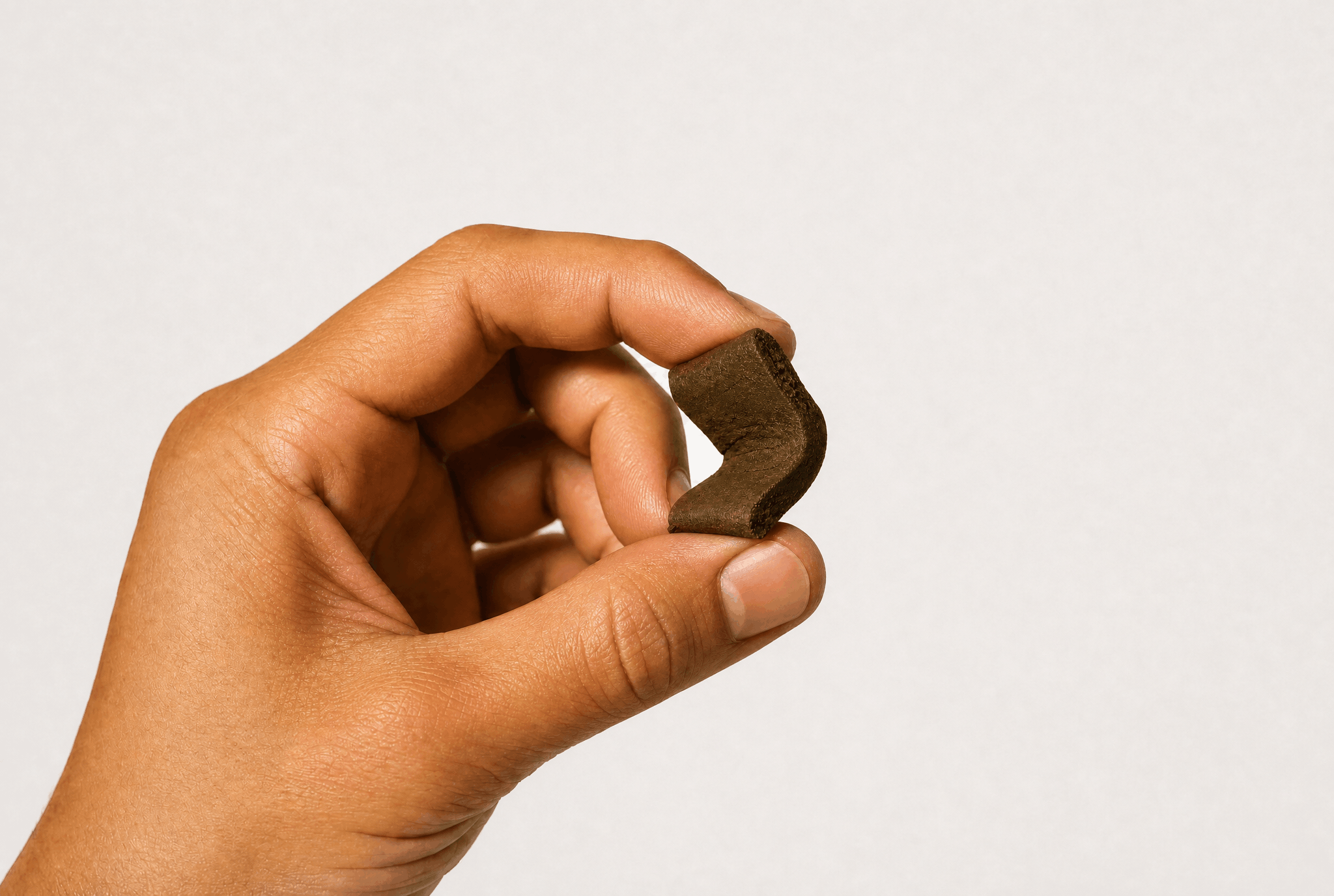
You don’t need a lab to judge hash — your senses do most of the work. Here are the cues experienced buyers rely on.
Texture should match the type. Good hash behaves predictably: Red Lebanese firms up cool and softens with warmth, Moroccan ranges from pliable to sandy, and bubble hash is sticky and resinous. Hash that’s rock-hard and won’t soften, or that crumbles to dry dust, usually means lower quality or too much plant material.
Aroma should be rich, not flat. Quality hash smells spicy, earthy, floral, or sweet depending on the type. A weak or hay-like smell is a red flag.
Colour tells a story. Blondes and golds (like Moroccan) signal cleaner sift; deep reds come from aging; very dark hash can be high quality or simply contain more plant matter — context matters.
The melt test is the giveaway. Heat a small piece. Premium hash bubbles and melts; lower grades just smoulder and char. This is exactly what “full melt” describes, and it’s the clearest quality signal of all.
How Do You Smoke Hash?
Hash is wonderfully flexible, which is another reason beginners love it. Here are the most common ways to enjoy it.
The easiest method is to add it to a bowl using the “sandwich” technique: a layer of flower, a small piece of hash, then a little more flower on top. You can also crumble it into a joint mixed with flower, drop small pieces into a bong, or — if you’ve got full melt — dab it on a rig like any premium concentrate.
Whichever method you choose, remember that hash is stronger than flower. Start with a small amount, see how you feel, and add more slowly. Softer hash can be warmed gently and rolled into thin “snakes” for joints, while firmer pieces are easier to crumble once warmed between your fingers.
Where to Buy Hash in Canada
Once you know your types, buying is the fun part. The key is choosing a source that offers quality, properly stored product and clear descriptions of each variety so you know what you’re getting.
Pot Cargo carries a full hash selection, from traditional imported Red Lebanese and golden Moroccan to premium full melt. Ready to level up to solventless? Shop bulk hash rosin and rosin in Canada for the value, or see how hash connects to modern pressing in our ultimate guide to live resin.
In Ontario? Skip the wait — Pot Cargo offers same-day delivery across the Hamilton–Halton region, including Hamilton and Burlington. Order before the daily cut-off and your hash can arrive the same day.
-
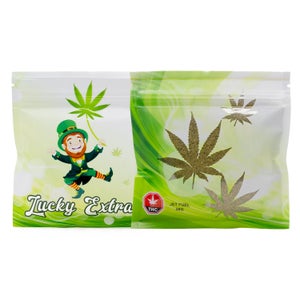 15% Off20% OFFLucky Farms – Kief (7g)
$18.90$16.06 -
 15% Off20% OFFLucky Farms – Kief (14g)
$35.70$30.35 -
 15% Off20% OFFLucky Farms – Kief (28g)
$63.00$53.55
Final Thoughts
Hash isn’t complicated once you know the language. It all starts with separating trichomes — by dry sift, by hand, or with ice water — and the method decides everything from colour to texture to how it melts. Red Lebanese gives you classic, relaxing, spicy character; Moroccan offers a gentle golden entry point; and full melt rewards you with clean, potent, dabbable quality.
Trust your senses, start with a type that matches your experience level, and consume slowly. Once you find your favourite, the centuries-old world of hash opens right up.
Ready to explore? Browse Pot Cargo’s hash selection and, if you’re in Ontario, get it delivered to your door today.
FAQ’s
What is the difference between Red Lebanese and Moroccan hash?
Both are dry-sift hash, but they differ in colour, flavour, and effect. Red Lebanese is aged, giving it a reddish-brown colour, a spicier taste, and a more relaxing, body-leaning high. Moroccan is typically blonde or golden, with a lighter aroma and a gentler, more easygoing effect — making it a popular starting point for beginners.
What does “full melt” hash mean?
Full melt refers to the quality of bubble (ice-water) hash, not a region. It describes hash pure enough to melt completely and cleanly when heated, leaving little to no residue. That clean melt is only possible when the hash is made almost entirely of intact trichome heads, which is why full melt is considered top-tier and can be dabbed like a modern concentrate.
Is hash stronger than weed?
Yes. Because hash concentrates the plant’s trichomes, it’s stronger than dried flower. Flower usually tests around 15–25% THC, while hash often falls in the 40–60% range and premium pieces can be higher. Traditional hash still tends to deliver a smoother, mellower high than sharp extracts like shatter, but you should always start with a small amount.
How do you smoke hash for the first time?
The easiest beginner method is the “sandwich”: put a layer of flower in a bowl, add a small piece of hash, then top with a little more flower. You can also crumble hash into a joint with flower or drop small pieces into a bong. Start with a small amount, since hash is more potent than flower, and increase slowly.
How should I store hash?
Keep hash in an airtight container away from heat, light, and air to preserve its potency, aroma, and texture. A cool, dark place works well. Proper storage stops hash from drying out and keeps softer types pliable for longer.
In:
Leave a Reply
You must be logged in to post a comment.